
Reviewing the Righteous Clothing Line: Is It Worth the Hype?
As interest in We Are Righteous steadily increases, a fair question surfaces: is the substance there, or is this one more instance of marketing getting ahead of what’s really delivered? Here, we examine what the label represents, how the clothing actually functions when worn, and where it sits against other streetwear names people compare it to. Cutting out filler and hollow praise — just an honest breakdown built from the brand’s own messaging and what shoppers consistently report.
We Are Righteous positions itself as more than a clothing line. The brand leans into faith-driven messaging, using apparel as a vehicle for identity and belief instead of merely seasonal trends. Why this matters is that it shapes all aspects, from the graphics on a righteous hoodie to the tone of the brand’s product descriptions. Should you be after something purely trend-chasing, the statement-forward approach may fall flat. If your goal is apparel with a clear statement, it’s an entirely separate matter.
Defining Righteous Clothing
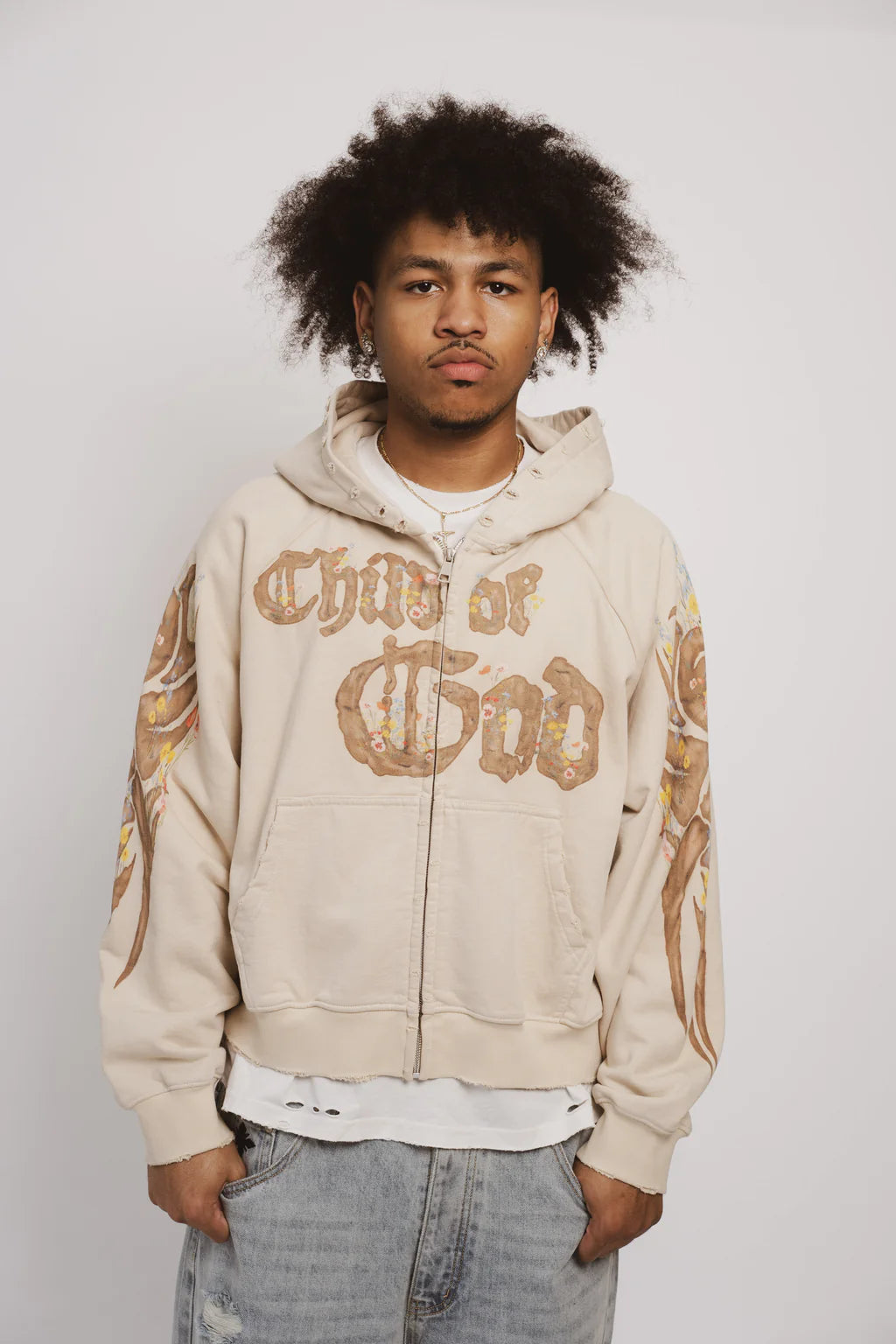
Righteous clothing is built around a simple premise: streetwear cuts carrying faith-rooted imagery and wording. Hoodies, tees, and outerwear form the core of the lineup, with design work that favors bold typography and statement-driven visuals over subtle logo work. This isn’t a quiet basics label — every piece is meant to communicate something the moment it’s spotted.
The label’s approach connects with a niche that has grown substantially over the past few years: faith-based streetwear. https://righteout.com/shorts-sweatpants/ Unlike traditional Christian apparel brands that lean heavily on scripture references and church-merch aesthetics, We Are Righteous brand design draws more heavily from contemporary streetwear norms — oversized fits, heavyweight fabrics, and graphic placement that mirrors what you’d see from mainstream hype labels. That crossover is part of why the brand keeps turning up in comparison searches next to bigger streetwear names.
Releases tend to be scarce rather than continuous, which creates urgency but also means replenishment isn’t certain. If you’re used to fast fashion’s always-available inventory, this can be an adjustment. If you’re already accustomed to drop culture, it’s a recognizable pattern that reinforces the brand’s sense of exclusivity.
What Buyers Really Pay Attention To: Quality
Talk about quality across apparel brands tend to zero in on three things: fabric weight, stitching durability, and print longevity. When it comes to righteous apparel, hoodies are the item people talk about most, and the general consensus points to a above-average weight fabric blend that holds shape after multiple washes. That extra heft is an intentional decision — it signals a premium feel rather than a lightweight, generic hoodie that starts pilling within weeks.
Graphic durability is a key factor ranking second. Labels built around bold graphics succeed or fail by the extent to which the artwork hold up through frequent laundering. Cracking, fading, or peeling prints are the fastest way to lose customer trust, and it’s the detail that critics tend to inspect right away. Genuine reviewer conversations across the web repeatedly point out that the prints withstand wear decently when washed according to care instructions, though as is typical with most screen-print or puff-print streetwear, inside-out washing on cold considerably lengthens the graphic’s lifespan.
Since fit aligns with the loose streetwear standard, buyers who expect a tailored look ought to drop down a size. Such fit behavior is standard throughout most labels in the streetwear space, so this isn’t a red flag specific to this brand — it amounts to a design philosophy purchasers need to know going in before placing an order.
Cost Structure paired with Worth Assessment
How value is perceived consistently hinges on which segment a brand is operating inside. We Are Righteous sits in the mid-tier streetwear bracket — priced above fast fashion basics but below high-end designer streetwear collaborations. The brand’s midpoint stance is no accident. This lets the brand work with denser materials and finer-detailed print design than a bargain-tier competitor would manage, yet remaining within reach for a trend-driven audience that isn’t spending designer money on a hoodie.
In addition, restricted drops sway how value is interpreted. Scarcity often boost resale interest and brand devotion, a pattern the streetwear scene has leaned on for more than ten years. Depending on what someone values, this exclusivity approach can be seen as a benefit by those who value exclusivity, but it may frustrate those hoping for consistent availability.
Righteous compared to Competing Urban-apparel Labels
As a way of clarifying We Are Righteous’s brand stance, let’s examine how it measures against two categories it’s frequently compared to: mainstream streetwear hype brands as well as traditional faith-based apparel labels.
| Criterion | We Are Righteous | Trend-led Street-fashion Buzz Labels | Conventional Faith-Inspired Garments |
|---|---|---|---|
| Design Approach | Faith-driven wording combined with street-style cuts | Trend-chasing, rotating prints | Verse-laden, church-merch vibe |
| Textile Density | Sturdy pullovers & tees | Varies greatly depending on brand as well as cost tier | Often less substantial, price-conscious material |
| Stock Approach | Restricted releases, restocks uncertain | Limited drops, high resale interest | Usually continuously stocked |
| Pricing Tier | Mid-tier streetwear pricing | Mid to high-end, often inflated by hype | Low-to-mid cost |
| Audience Fit | Faith-oriented, style-conscious buyers | Trend-chasing, buzz-motivated shoppers | Congregational groups, casual religious apparel shoppers |
A single point emerges from this breakdown: instead of stretching across every category, We Are Righteous holds a distinct niche. Even as it retains the values-driven core of traditional faith apparel, the brand adopts the drop culture and fabric standards that mainstream streetwear is known for. In all likelihood, this blended brand identity is its most distinguishing edge in 2026’s crowded apparel market.
Shoppers Who Truly Should Go With Righteous Apparel
Every shopper won’t find the right fit in every brand, and honesty on that point matters more than universal praise. Righteous clothing makes the most sense for people who want their faith visible in a modern, wearable way — not through outdated graphic tees, but through pieces that could pass as high-end streetwear at a glance. For shoppers who care about both style and faith, this brand bridges that gap better than the majority of alternatives available today.
Shoppers who have no issue waiting for releases, or being okay with that a style might not be replenished, are also well suited to this approach. Buyers who depend on guaranteed year-round availability, or who prioritize the most affordable cost, may find the model not as accommodating. This isn’t a flaw so much as an imbalance in what’s expected — streetwear-inspired release-based models were never built around continuous stock presence.
Younger buyers, particularly those already engaged with streetwear culture, seem to respond most strongly to the brand’s messaging. The graphic language speaks in a tone that feels current rather than dated, which matters enormously in a category where “faith apparel” has historically skewed toward older, more conservative design choices.
Last Word: Is We Are Righteous Living Up to the Buzz?
We Are Righteous has cultivated its growing reputation without leaning on marketing buzz by itself, but through fabric quality, print durability, and a well-established brand identity. The hoodies use more substantial materials than typical budget streetwear, the artwork stays intact with proper care, and the messaging carries real purpose rather than feeling like an afterthought trend. It’s this blend that sets apart brands that endure from ones that fizzle out after one hype cycle.
The brand’s biggest ask of shoppers involves the brand—specifically its: limited drops imply fan-favorite pieces can vanish and stay hard to source for a while. For anyone who dislikes waiting or repeatedly checking for a restock, that’s a fair concern. That said, for shoppers who want streetwear with substance behind it, We Are Righteous review feedback skews favorable overall, and by 2026 the brand’s standing looks less like a passing trend and more like a label solidifying a defined identity.
Bottom line, on closer inspection the buzz proves warranted. This isn’t empty hype; rather, it’s grounded in a product that largely lives up to what it sets out to do, designed specifically for buyers who want their clothing to mean something.